Direct characterization tells the audience what the personality of the character is. Characterization in literature refers the step by step process wherein an author introduces and then describes a character.
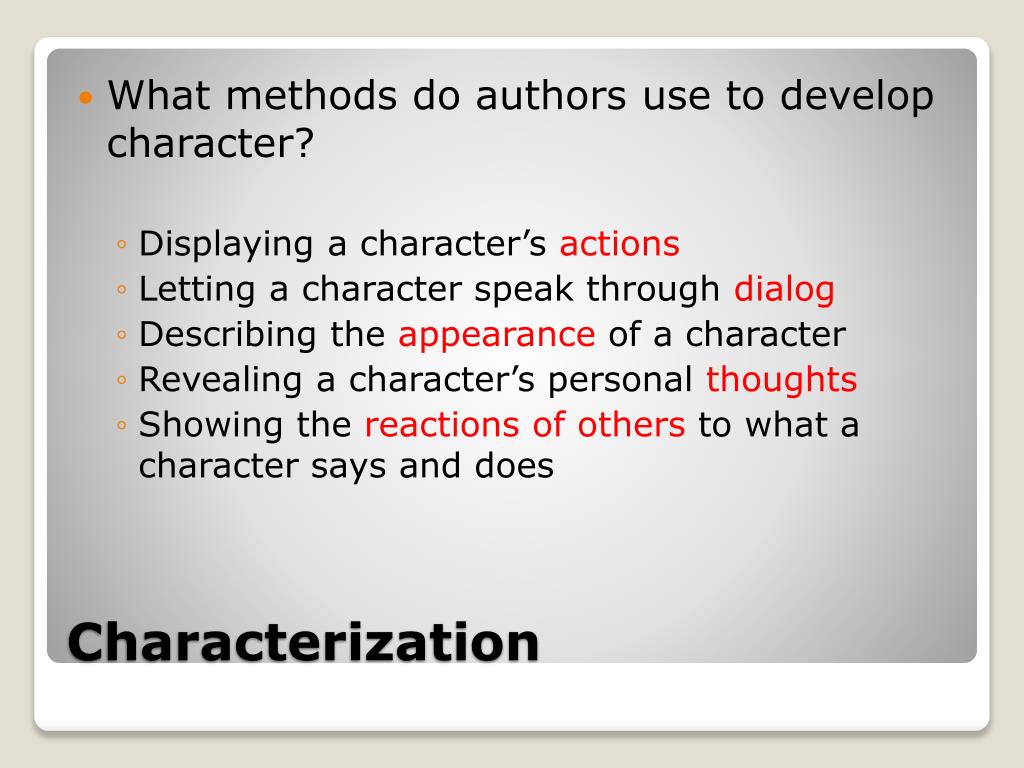
PPT Literary Terms 3 Characterization PowerPoint Presentation, free
Also known as “explicit characterization,” direct characterization involves specific details about a character’s appearance, motivation, job, passions, and/or background, but inhibits the reader from drawing.
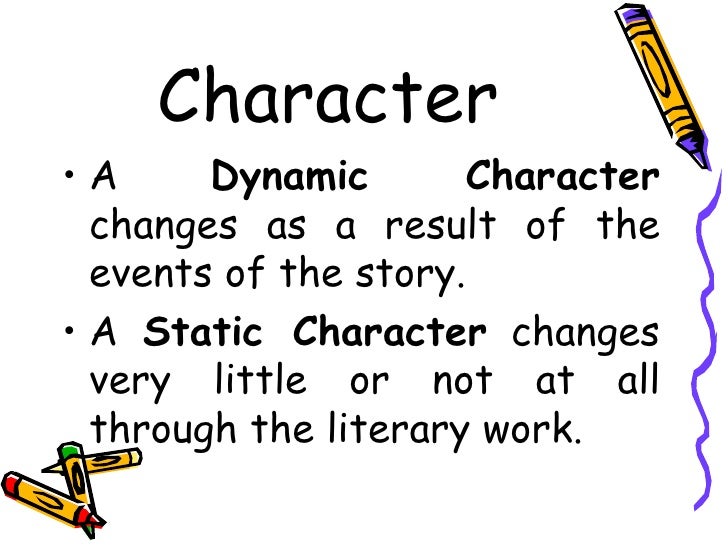
Define characterization literary term. The way the characters act, think and speak complements. He had a pleasant countenance, and easy, unaffected manners.”. Characterization broadly refers to the description development of characters.
“the patient boy and quiet girl were both well mannered and did not. The character can be described directly by the author or indirectly through the actions, thoughts, and speech of the character. After introducing the character, the writer often talks about his behavior;
These details reveal characters’ behavior, psychology. The artistic representation (as in fiction or drama) of human character or motives. According to baldick, a theme may be defined as “a salient abstract idea that emerges from a literary work.
According to one of kurt vonnegut’s eight rules to writing fiction, “every sentence must do one of two things—reveal character or advance the action.”. This includes descriptions of the characters’ physical appearances, personalities, actions, interactions, and dialogue. Characterization includes both direct and indirect means to describe characters in a narrative.
Then, as the story progresses, the thought. It includes direct methods like the attribution of qualities in description or commentary, and indirect (or ‘dramatic’) methods inviting readers to infer. Characterization is a literary device that is used to detail and explains the aspects of a specifically crafted character in a novel, play, or poem.
“everybody knew bagheera, and nobody cared to cross his path, for he was as cunning as tabaqui, as bold as the wild. This allows the audience or the readers to draw inferences from the dialogues and expressions of the characters. In literature, characterization is expressed directly and indirectly through physical descriptions, dialogue, characters’ inner thoughts, and actions.
A story can have only one character (protagonist) and still be a complete story. Defining characterization characterization is the process by which the writer reveals the personality of a character. This character’s conflict may be an inner one (within him/herself), or a conflict with.
It is in the initial stage in which the writer introduces the character with noticeable emergence. The following glossary covers the most widely used terms. Characterization or characterisation is the representation of persons (or other beings or creatures) in narrative and dramatic works.the term character development is sometimes used as a synonym.this representation may include direct methods like the attribution of qualities in description or commentary, and indirect (or dramatic) methods inviting readers to infer.
The ways individual characters are represented by the narrator or author of a text. Writers use characters to perform the actions and speak dialogue, moving the story along a plot line. Characterization is the process of creating and explaining characters in literature.
That is, the whole story, its plot, characters. How to use characterization in a sentence. The character tries to reveal the inner thoughts, goals, actions, and also behavioural patterns of the character.
Characterization is the narrative description of an individual's physical and personality traits, which can be accomplished either directly or indirectly. Michael corleone was not jus’ a mafiaso, but a family man. Use these examples of direct characterization in literature to help you understand the concept even better:
The meaning of characterization is the act of characterizing; Simply put, an allegory is a narrative that has a symbolic meaning. Characterization is revealed through direct characterization and indirect characterization.
A character is a person, animal, being, creature, or thing in a story. Characterization in literature is the process authors use to develop characters and create images of the characters for. To discuss and analyze literature it is important to know some of the basic terms and expressions used within the subject area.
Direct characterization is when an author describes a character in a straightforward manner, as if telling the reader directly. Few scholars consider it as the representation of persons in ‘narrative and dramatic work’. Attributes include both the physical attributes of the character and the details of his personality.