Lee bolman and terrence deal have been helping leaders navigate complexity and reframe their worlds for over 40 years. While each leadership frame, model, or theory differs in approach, the four frames of leadership provided by bolman and deal (2008) have been commonly used as.
PPT The FourFrame Model By Bolman & Deal PowerPoint Presentation

Artistry, choice and leadership (1991).
Bolman and deal frames. The two friendly scholars therefore went ahead to suggest 4 frames upon which current organizations can be described from. Bolman and deal’s reframing organizations framework incorporates the following 4 ’frames’ as lenses or perspectives through which leaders can view and process their work, leadership, and. Bolman and deal argued that leaders should look at and approach organisational issues from four perspectives, which they called “frames”.
Resource, political, and symbolic frames—suggesting typical. In their view, if a leader works with only one habitual frame (frame. The decline continued to shadow the organization until jobs' leadership reinstatement.
Structural, human assets, political plus symbolic. The four frameworks proposed by bolman and deal are the structural, the human resource, the political and the symbolic. Core text for “managing people in.
Bolman and deal (2013) constructed a model, consisting of four frames from different beliefs and practices that can be used as a framework to inform educational leadership. In their view, if a leader works with only one habitual frame (frame. Setting measurable goals and deadlines;
When, jobs was released by the board of trustees, consumer, and organizational employee trust declined. Artistry, choice and leadership (1991). The structure is laid out in a way that any leader can interpret for the benefit of the benefit and long term survival of an organization.
Bolman and deal’s four frames model: Structural, human resource, political and symbolic. Approach focus on structural elements within the organization as well as.
In their view, if a leader works with only one habitual frame of reference, he risks being ineffective. The first frame, the structural frame, highlights the structural aspects of organizations and assumes the following: In their view, if a leader works with only one habitual frame of reference, he risks being ineffective.
Bolman and deal assert that because no frame works well in every circumstance, then a leader who sticks with one frame is bound eventually to act inappropriately and ineffectively. The four frames they proposed were; It is important to note that leaders may use any framework and may even use a combination at the same time in their daily work (1991).
A frame for viewing organizations that sees organizations as competitive arenas characterized by scarce resources, competing interests and struggles for power and advantage. It primarily focuses on strategy; Leaders who make change using this.
Bolman and deal’s 4 frame model and their leadership theory consist of four essential frameworks: Bolman and deal's (2008) symbolic frame characterizes the original leadership model having the ability to inspire trust and build relationships (p. The bolman and deal four frame model can help leaders analyze organizational change
This framework outlines leadership behaviours and is presented in four categories—the structural, human. According to bolman and offer there are usually four structures, which differentiate people’ t behavior. The frames also can be used to rethink and reframe unsuccessful change initiatives (e.g., ‘this initiative failed because we didn't appropriately address the human resource frame.') (mcleod).
Bolman and deal’s “four frames” structural human resource political symbolic metaphor factory or machine extended family jungle or arena carnival, temple, theatre. The four frames the structural frame bolman and deal (1997) have sorted insights drawn from both research and practice into four major perspectives, or frames, to make sense of organizations, each having their own image of reality. Structural, human resource, political and symbolic.
Every of the particular frames provides its specter of use as well as its very own aim, principles and metaphors. This frame focuses on the “how” of change. And creating systems and protocols.
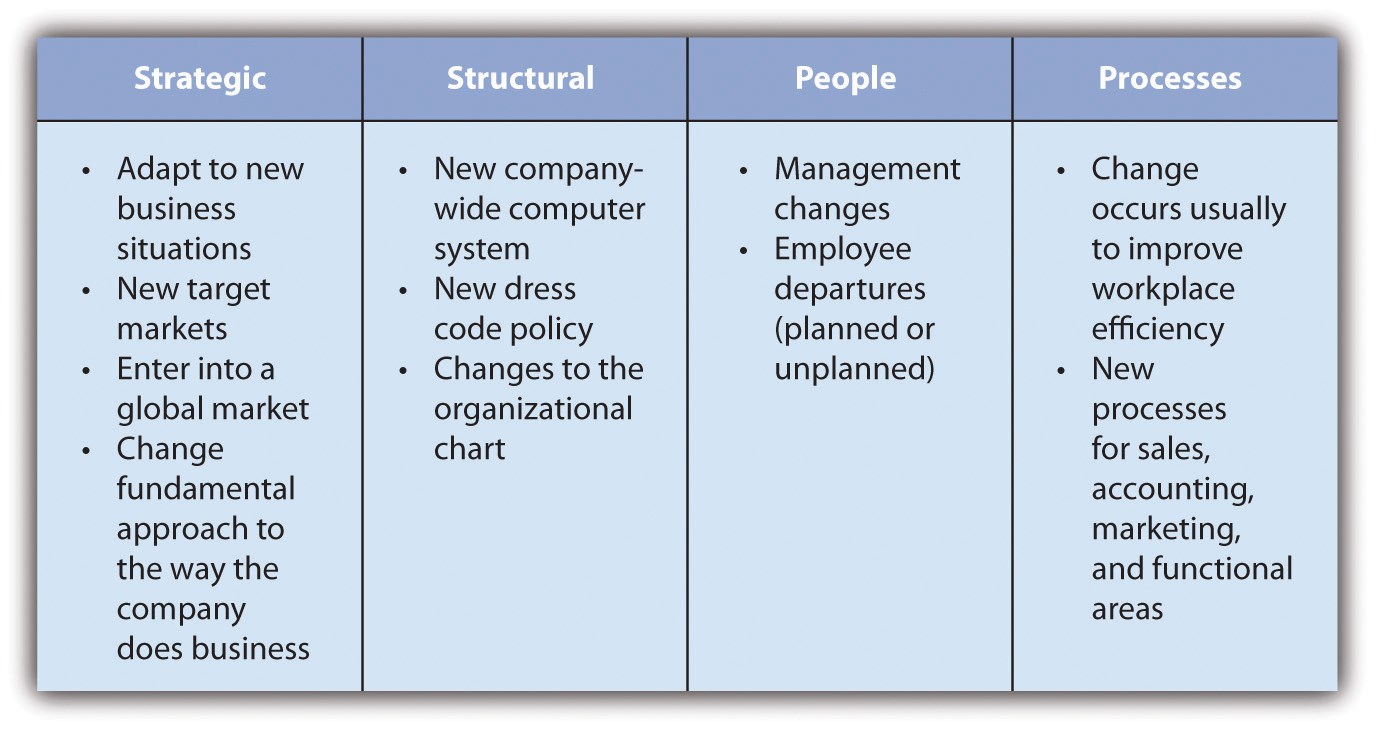
Structural, human resource, political, and symbolic. Instead, it is the leader's responsibility to use the appropriate frame of reference, and thereby behaviour, for each challenge. Each is described in the following illustration.
Bolman & deal chapter summaries ranjit das mg914. Bolman and deal argued that leaders should look at and approach organisational issues from four perspectives, which they called “frames”. Bolman and deal’ s recruiting frame documents example.
Bolman and deal stated that leaders should look at and approach organizational issues from four perspectives, which they called 'frames'. The four frames they proposed were; Bolman and deal stated that leaders should look at and approach organizational issues from four perspectives, which they called 'frames'.
How you frame an idea will impact on your perception.
Bolman and deal’s four frames model: Each is described in the following illustration.

9 best images about Bolman & Deal's Four Frames of Leadership
Each frame comes with a range of concepts, metaphors and values which provide the scaffolding for organising raw experience of the world.

Bolman and deal four frames examples. Bolman and deal (2008) used the term frame to refer to lenses that allow people to order their experience. Frames are both windows on the world and lenses that bring the world into focus. It is important to note that leaders may use any framework and may even use a combination at the same time in their daily work (1991).
You should research in the library a case study to support your example. Discuss how one of bolman and deal's leadership frames can contribute to a good project management plan or cause difficulties. While each leadership frame, model, or theory differs in approach, the four frames of leadership provided by bolman and deal (2008) have been commonly used as.
Apple had a very symbolic leadership. Contents hide 1 good bolman and deals 4 frame model essay example 1.1 assess distribution of power and interests 1.2 pr and specialized communications disciplines. Monday, 11 january 2016, 2:54 pm by daniel bond.
It primarily focuses on strategy; Bolman and deal argued that leaders should look at and approach organisational issues from four perspectives, which they called “frames”. The four frameworks proposed by bolman and deal are the structural, the human resource, the political and the symbolic.
In their view, if a leader works with only one habitual frame of reference, he risks being ineffective. (ipg annual reports) 1.3 references good bolman and deals 4 frame model essay example four frames of bolman and deals are giving us ability to see the same business from […] Each of the four frames includes its own respective assumptions and concepts.
Lead by example construct a heroic narrative and tell it often leveraging the power in ritual and ceremony sources: The first frame, the structural frame, highlights the structural aspects of organizations and assumes the following: The four frameworks proposed by bolman and deal are the structural, the human resource, the political and the symbolic.
They identified four frames through which people especially leaders view their organization and world in general, these are, political, structural, human resource, and symbolic. Setting measurable goals and deadlines; The four frames they proposed were;
For example, andrade (2011) notes that, the human resource frame focuses on involvement and participation as well as training and investing time and money in employees to help them develop needed skills (p. Organizational] goals and individual differences” (p. Given the importance of these frames in shaping, the way.
Bolman and deal’s four frames and the quality standards academic committee 8 structural frame bolman and deal (2017) describe the structural approach as being focused on choosing the ‘right people’ for the ‘right roles’ in order to “support and accommodate both collective [i.e. By contrast, the structural frame developed by bolman and deal focuses on. It is important to note that leaders may use any framework and may even use a combination at the same time in their daily work (1991).
Bolman & deal’s four frame analysis of organisational change four perspectives on organisations: And creating systems and protocols. The four frames lee bolman and terrence deal have been helping leaders navigate complexity and reframe their worlds for over 40 years.
Structural, human resource, political and symbolic. Frames filter out some things while allowing others to pass through easily. Bolman and deal’s 4 frame model and their leadership theory consist of four essential frameworks:
The frames also can be used to rethink and reframe unsuccessful change initiatives (e.g., ‘this initiative failed because we didn't appropriately address the human resource frame.') (mcleod). Structural, human resource, political, and symbolic. Each is described in the following illustration.
This frame focuses on the “how” of change. The structural frame • rules • roles • goals • policies • division of labour • coordination of activities • hierarchies. Frames help us order experience and decide what to do.
The four frames the structural frame bolman and deal (1997) have sorted insights drawn from both research and practice into four major perspectives, or frames, to make sense of organizations, each having their own image of reality. The structure is laid out in a way that any leader can interpret for the benefit of the benefit and long term survival of an organization.